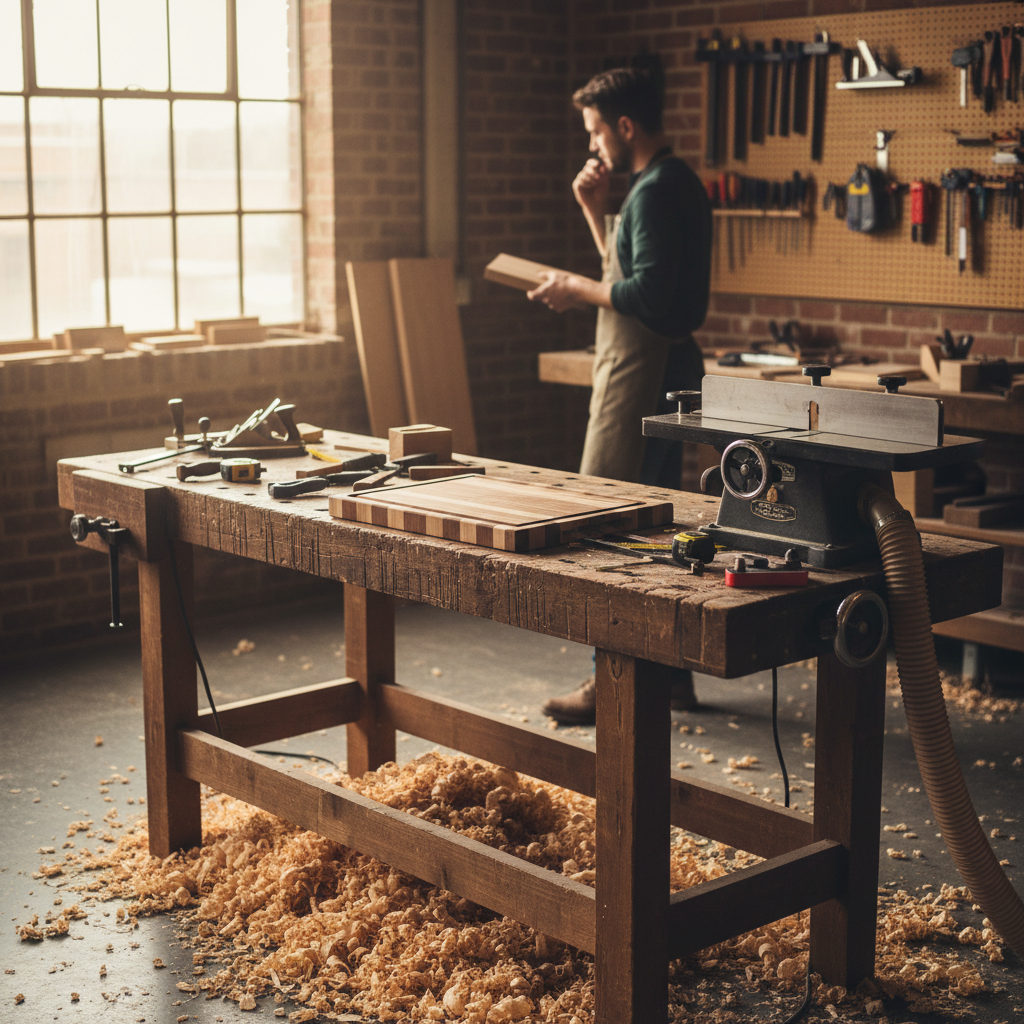
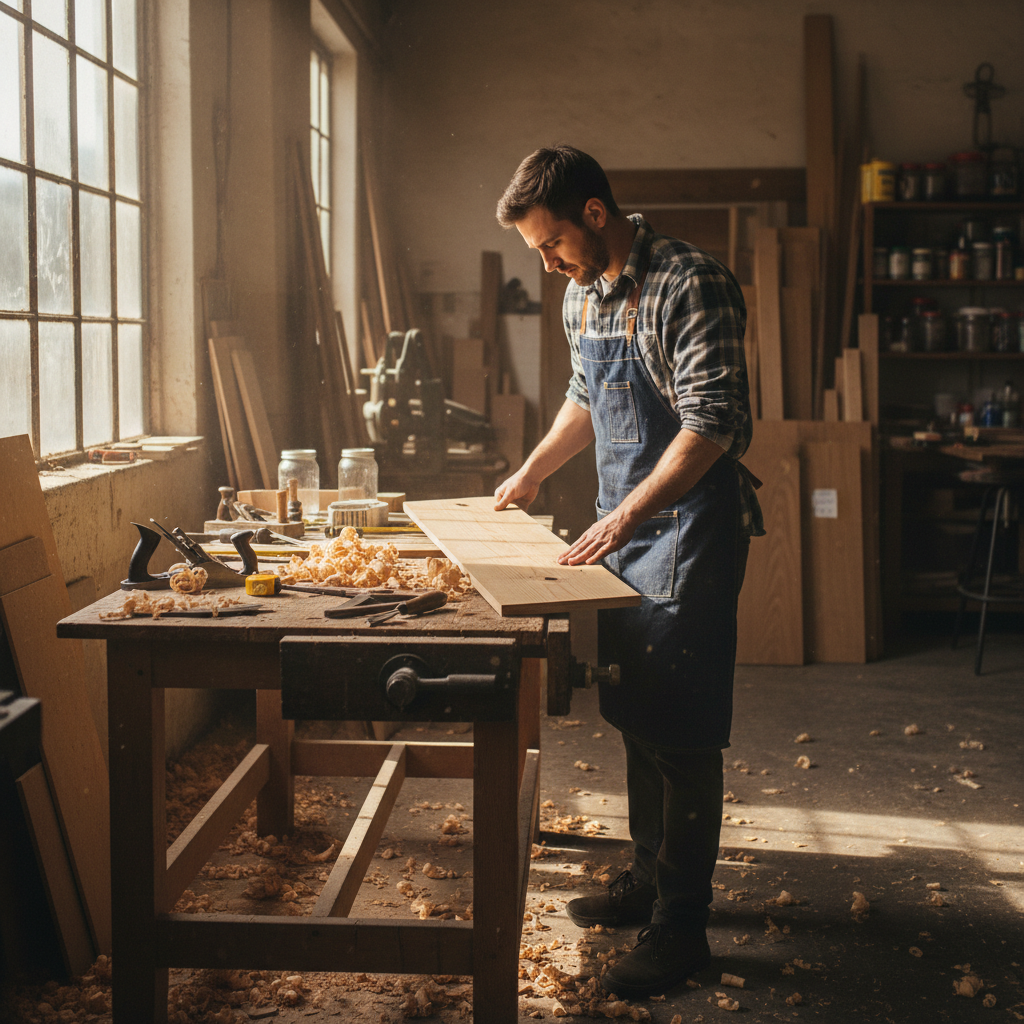
Best Beginner Woodworking Projects for New Home Builders
Picking your first woodworking project as a new home builder? The right choice depends on tool access, wood species, and finish goals. Wrong pick wastes weeks.

Anchors the trend-led angle by spotlighting the specific project styles going viral in the maker community - japandi shelving, arched mirrors, floating nightstands. This is the highest-traffic entry point for curious beginners who saw something they loved online.
23 stories
Picking your first woodworking project as a new home builder? The right choice depends on tool access, wood species, and finish goals. Wrong pick wastes weeks.
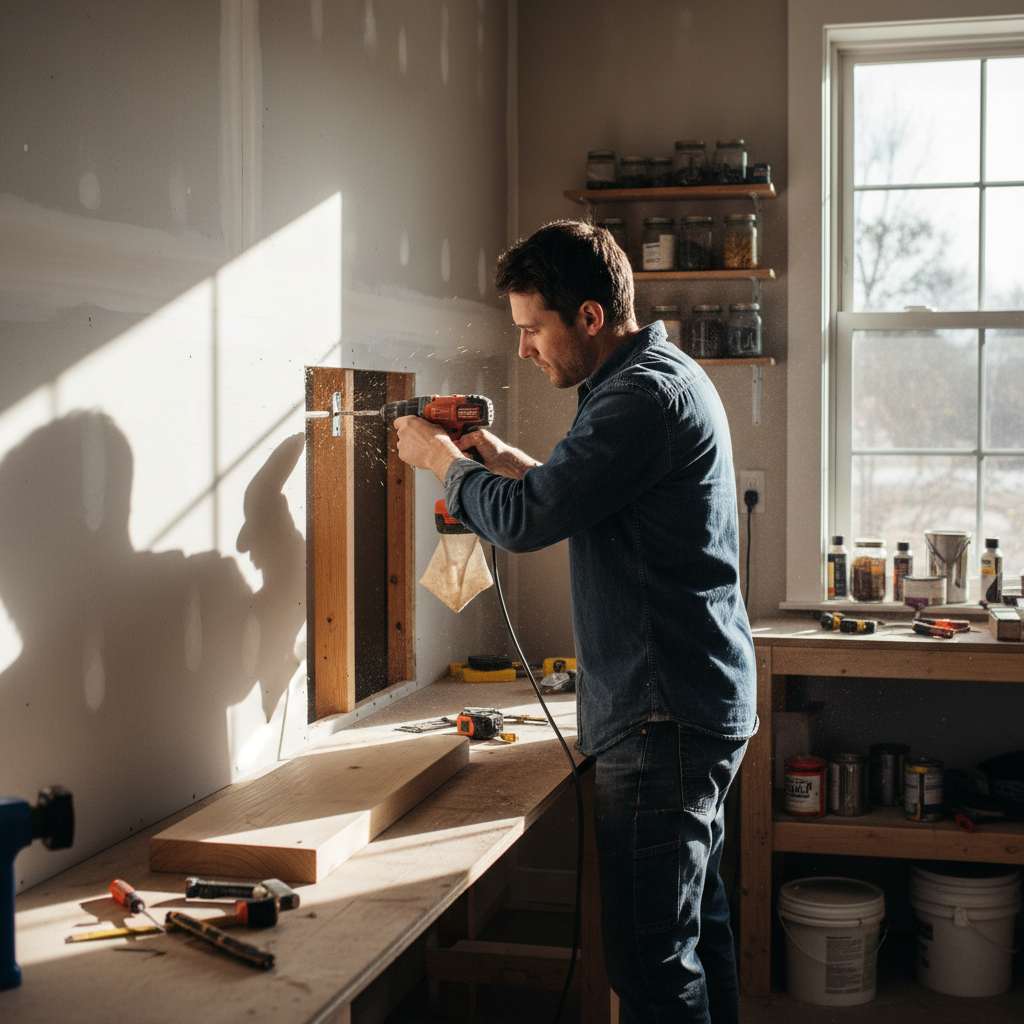
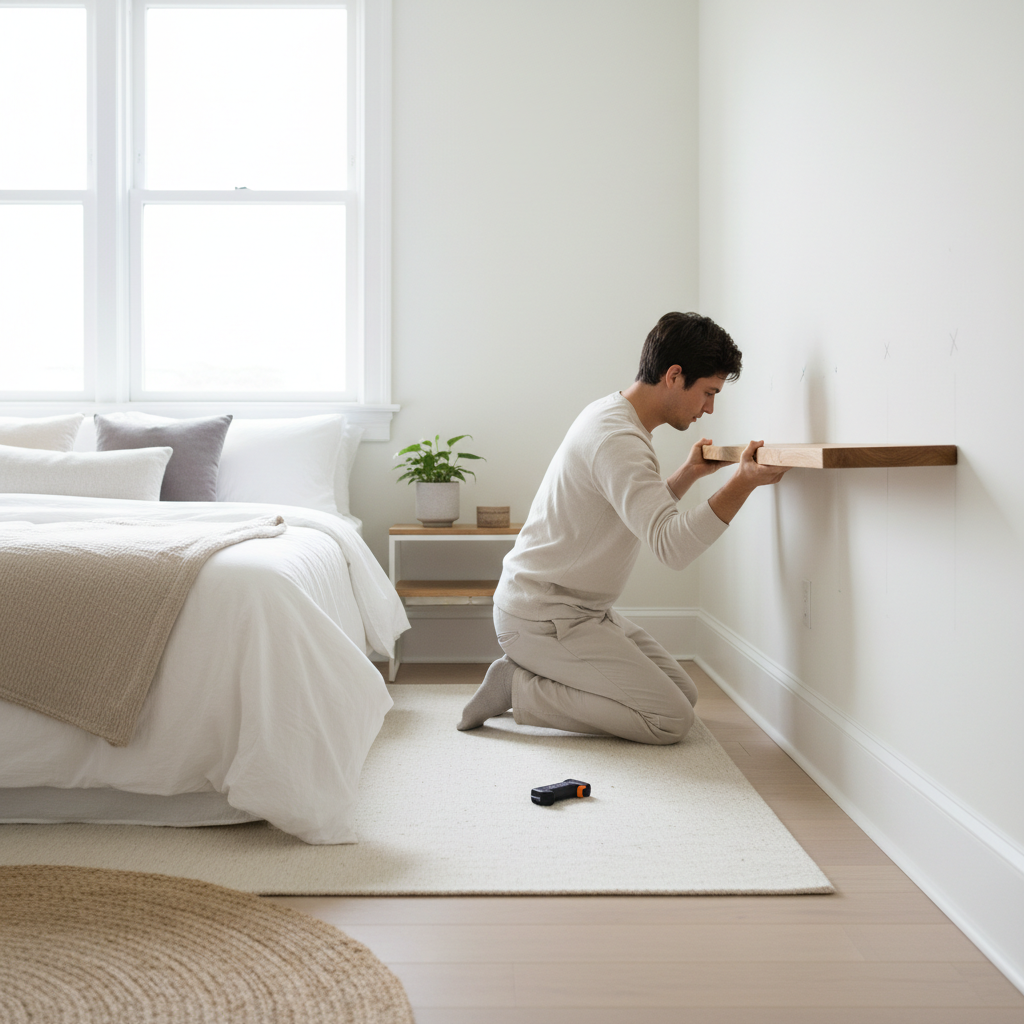
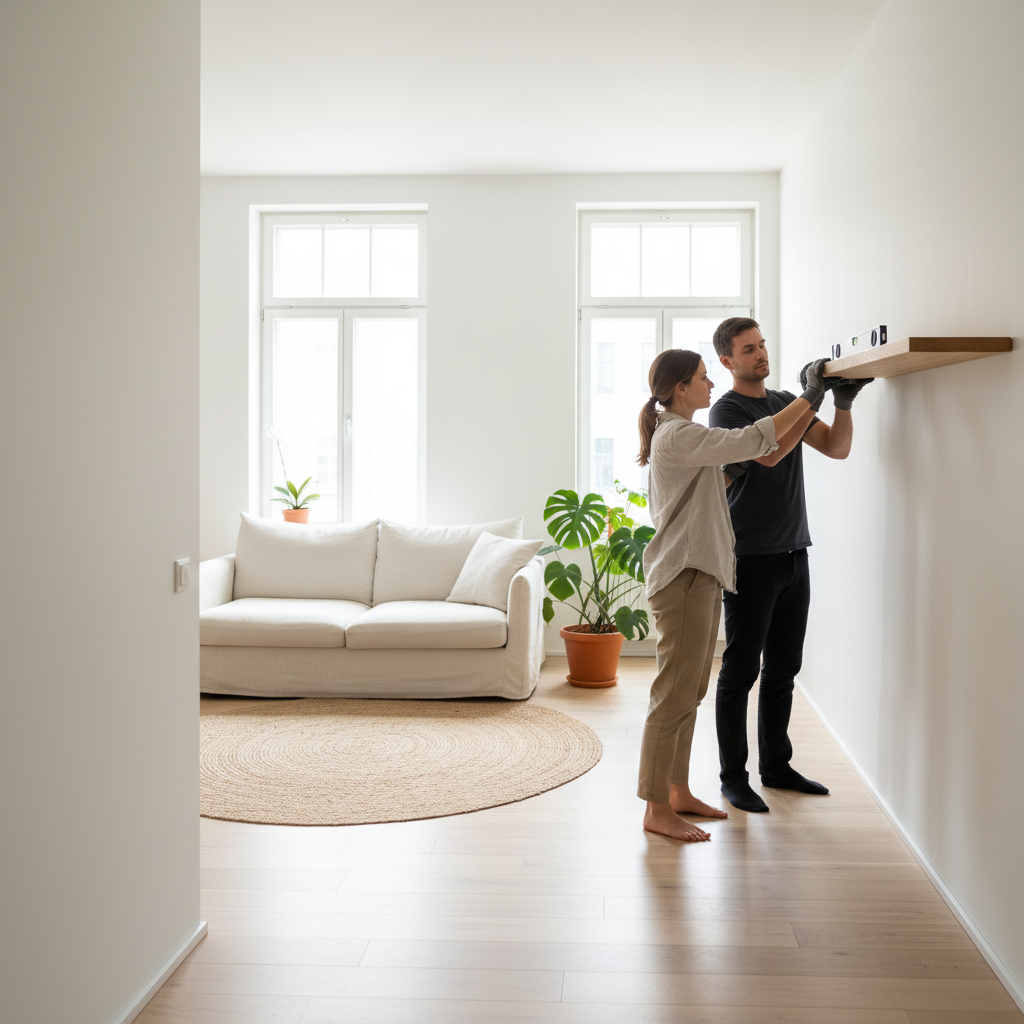
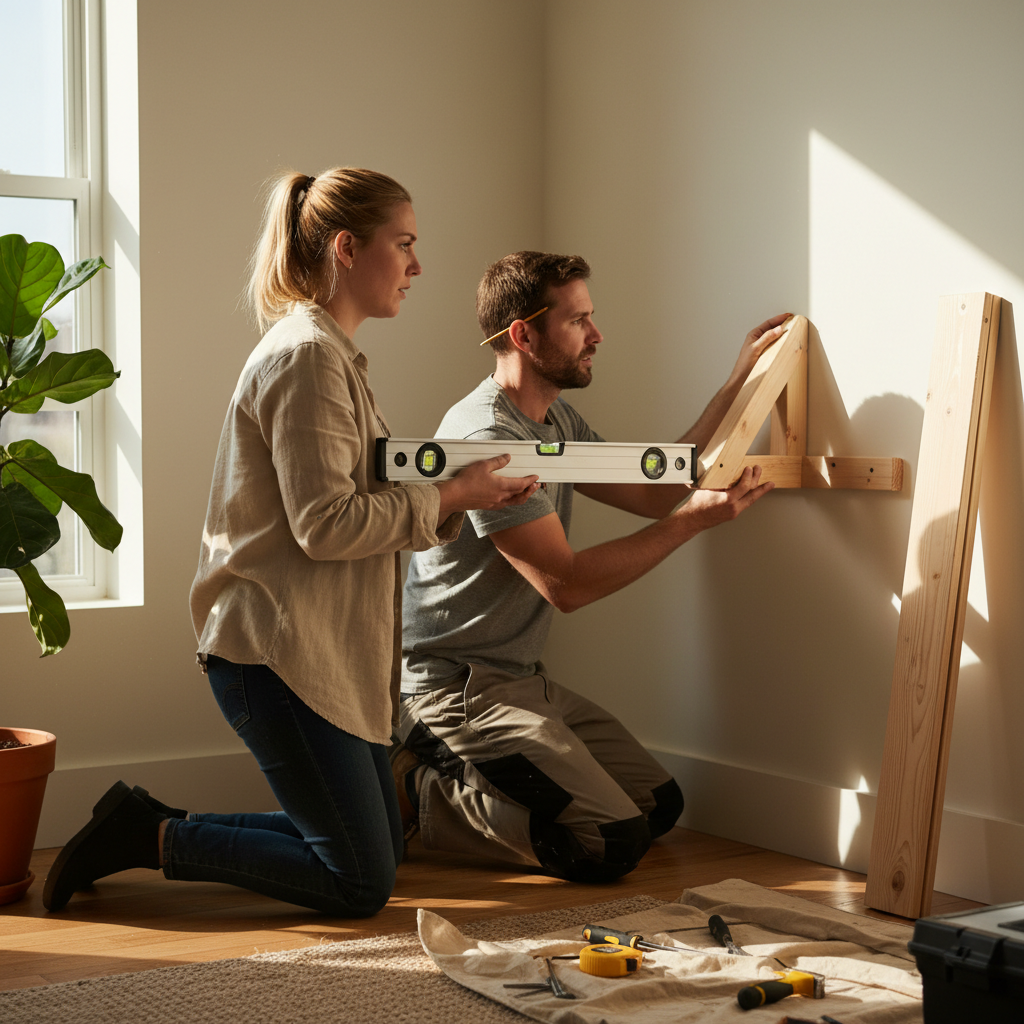
Building a floating shelf with an arched bottom is straightforward, but wall type and wood choice change everything. Here's how to do it right the first time.
Building a shelf for the first time? The right choice depends on wall type, tool access, and load needs. The wrong pick can cost you a weekend of repairs.
Building a Japandi side table is straightforward, but wood selection and joint choice determine whether it lasts. Here's what actually matters before you cut.
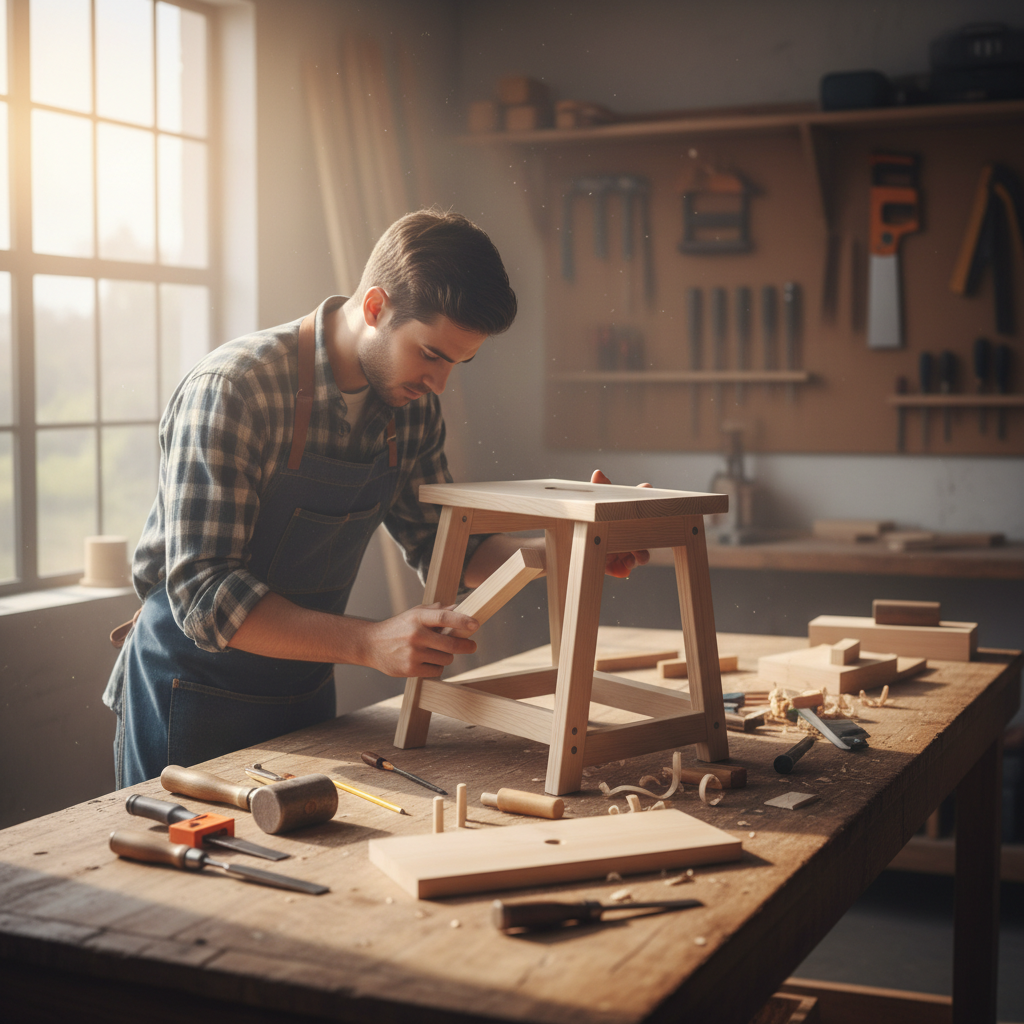
Thinking about your first small furniture build? The right project depends on your tools, wood species, and joint complexity. Wrong choice wastes weeks.
Building a floating nightstand yourself saves money, but only under specific conditions. The wrong choice wastes a weekend and looks worse than a $60 shelf.
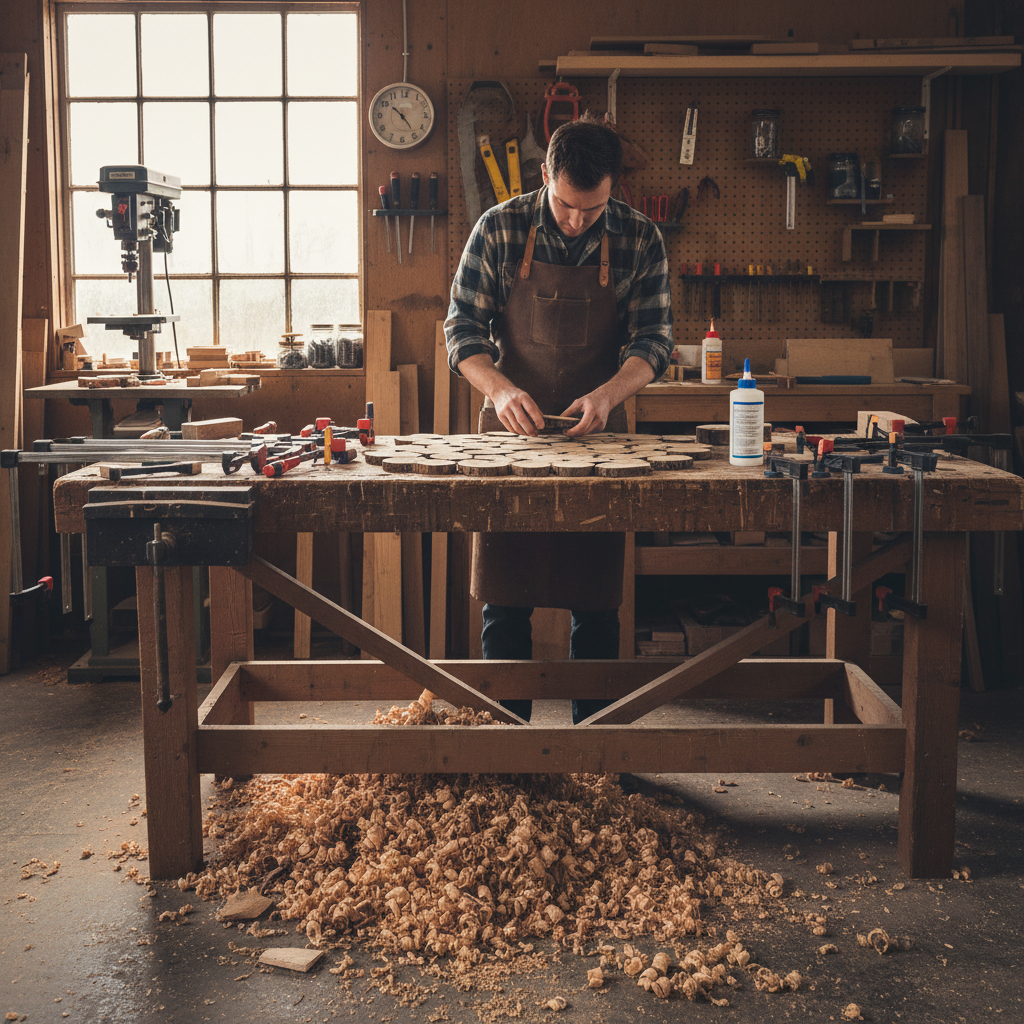
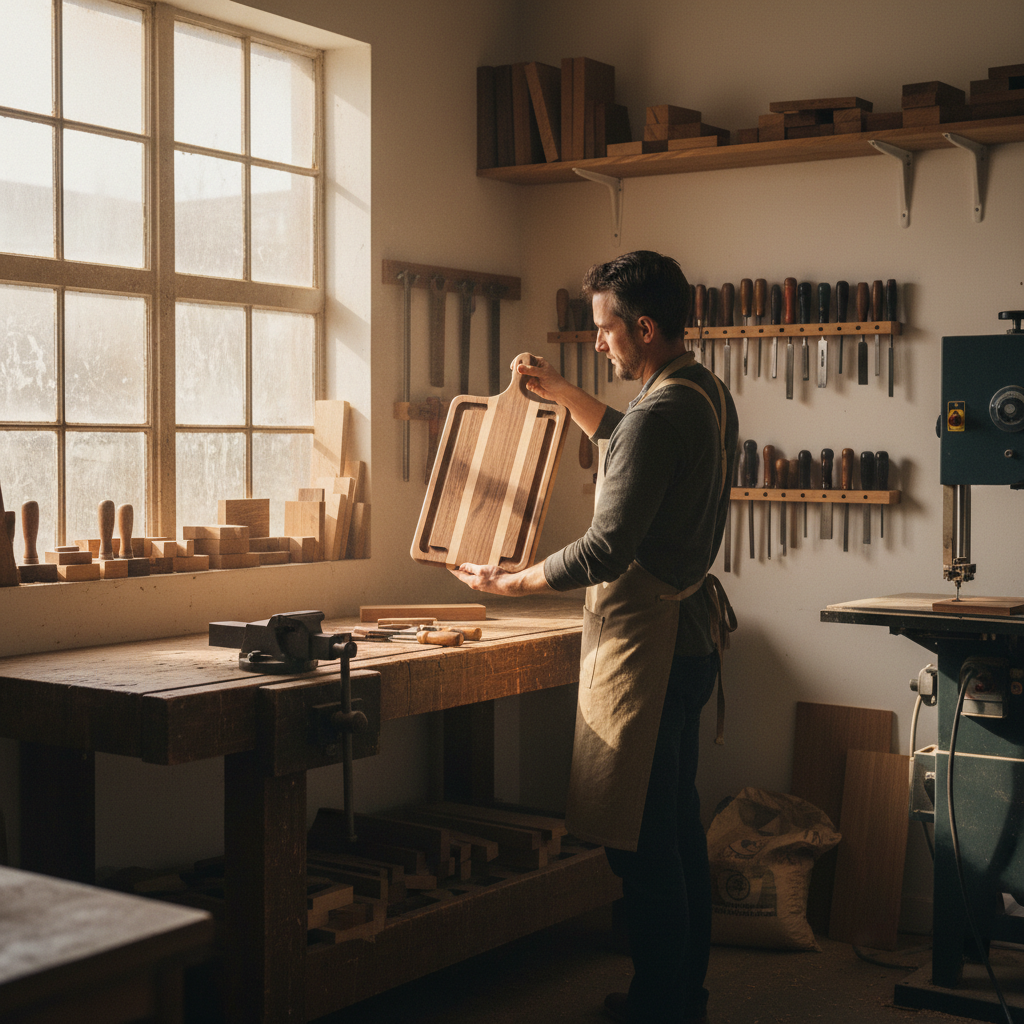
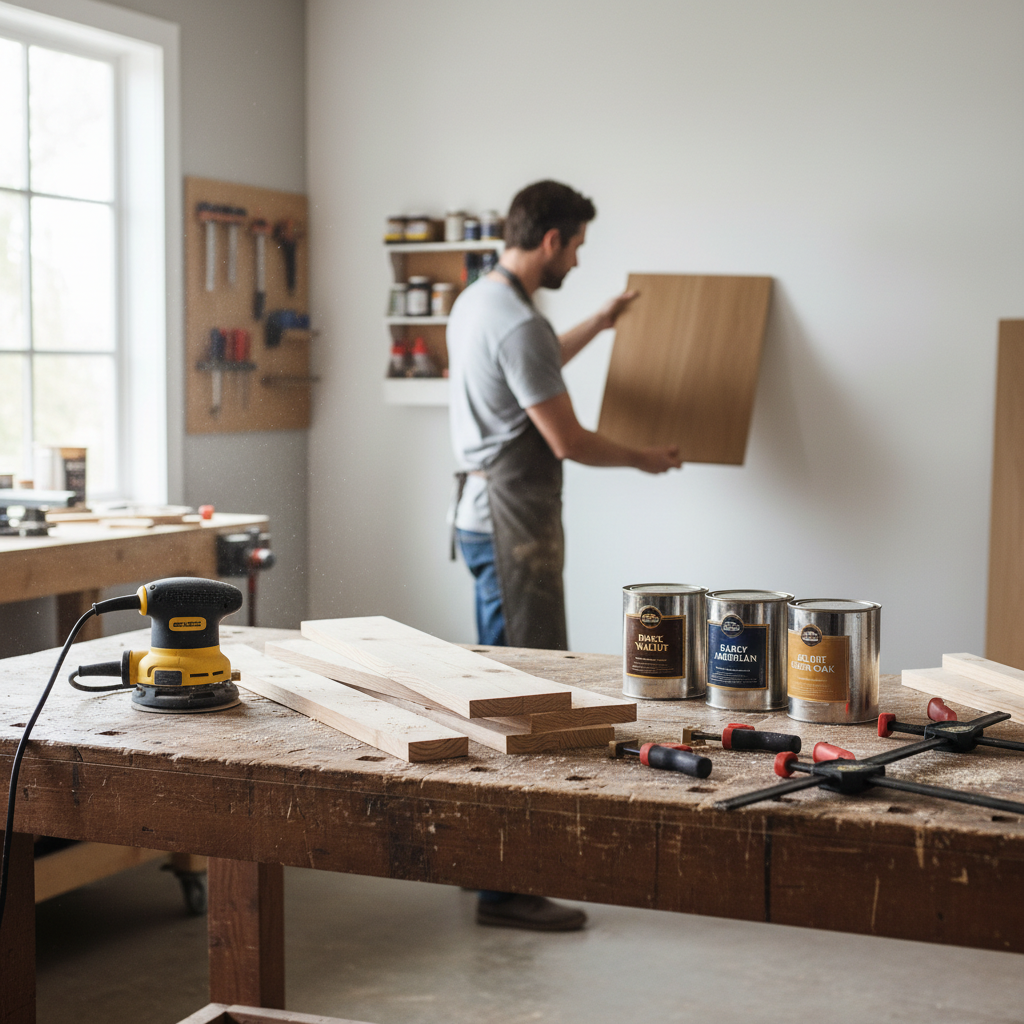
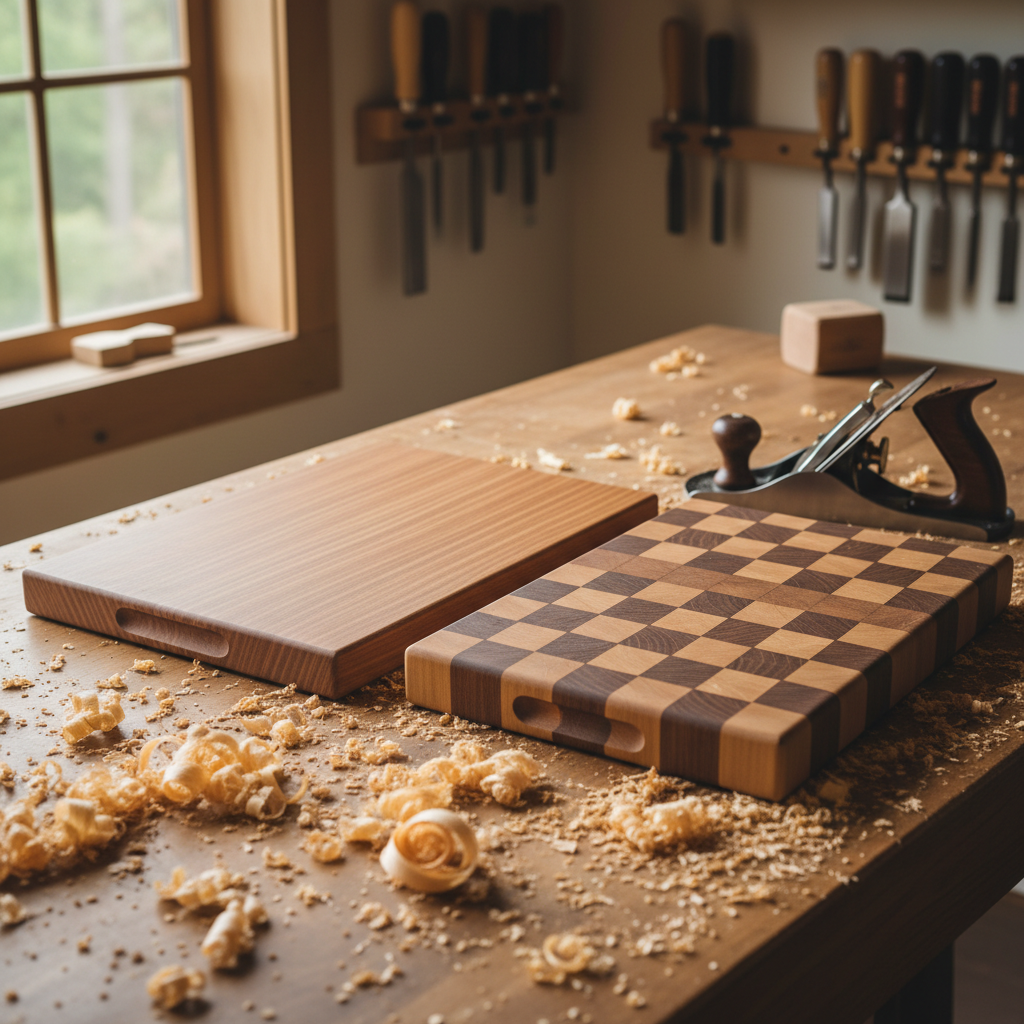
Making an end-grain cutting board is manageable for beginners. Success depends on wood species, glue choice, and finishing. Get it wrong and it warps.
Choosing between walnut, maple, and cherry for your first cutting board? The right pick depends on grain, hardness, and budget. Wrong choice dulls blades fast.
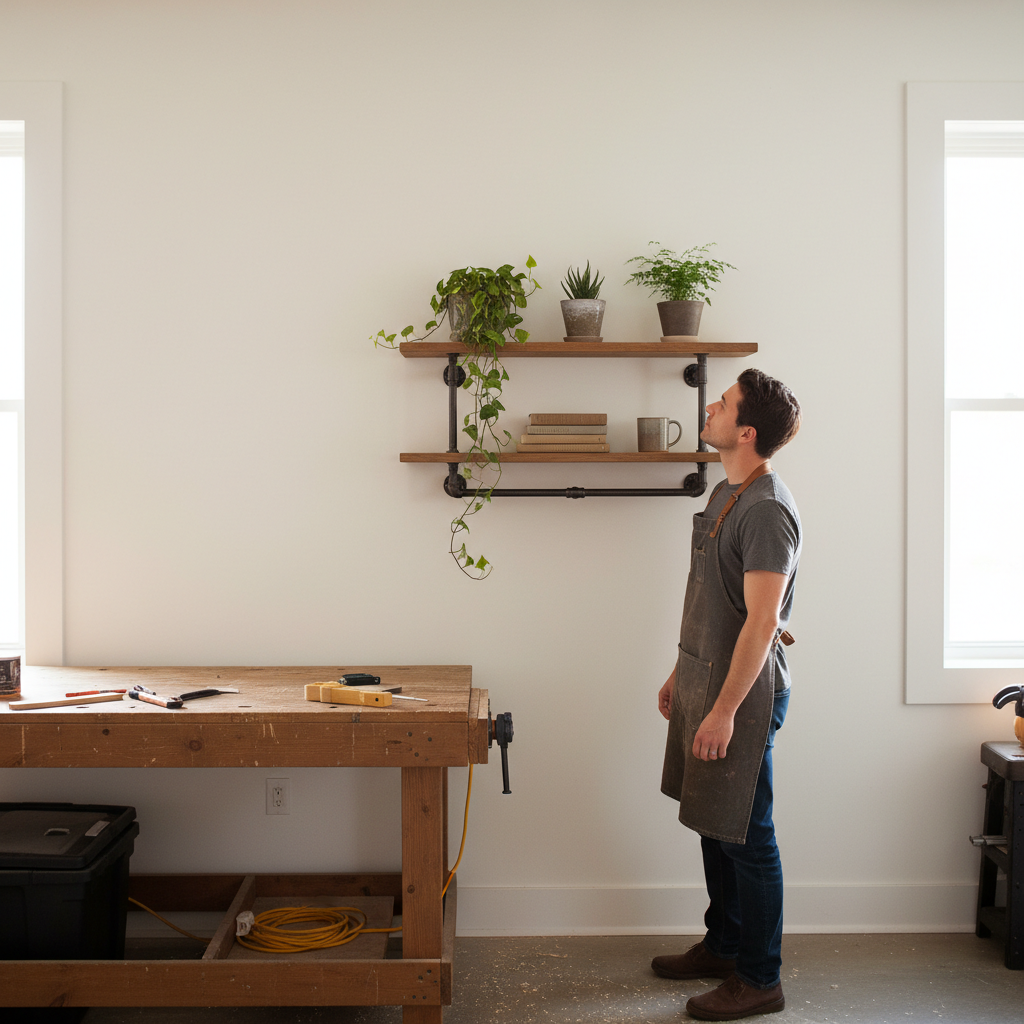
Adding open pantry shelves in a rental kitchen without losing your deposit. The wrong approach can cost you $200+ in repairs. Here's how to do it right.
Wondering which woodworking projects blow up on social media in 2026? Trending styles, real engagement data, and what actually earns followers vs. likes.
Wondering whether to build or buy floating shelves? The answer depends on wood species, bracket hardware, and wall type. The wrong choice wastes $80 - $200 fast.
Building a wall-mounted wooden display ledge wrong can leave it sagging or pulling from the wall. Here's how to get the mounting right the first time.
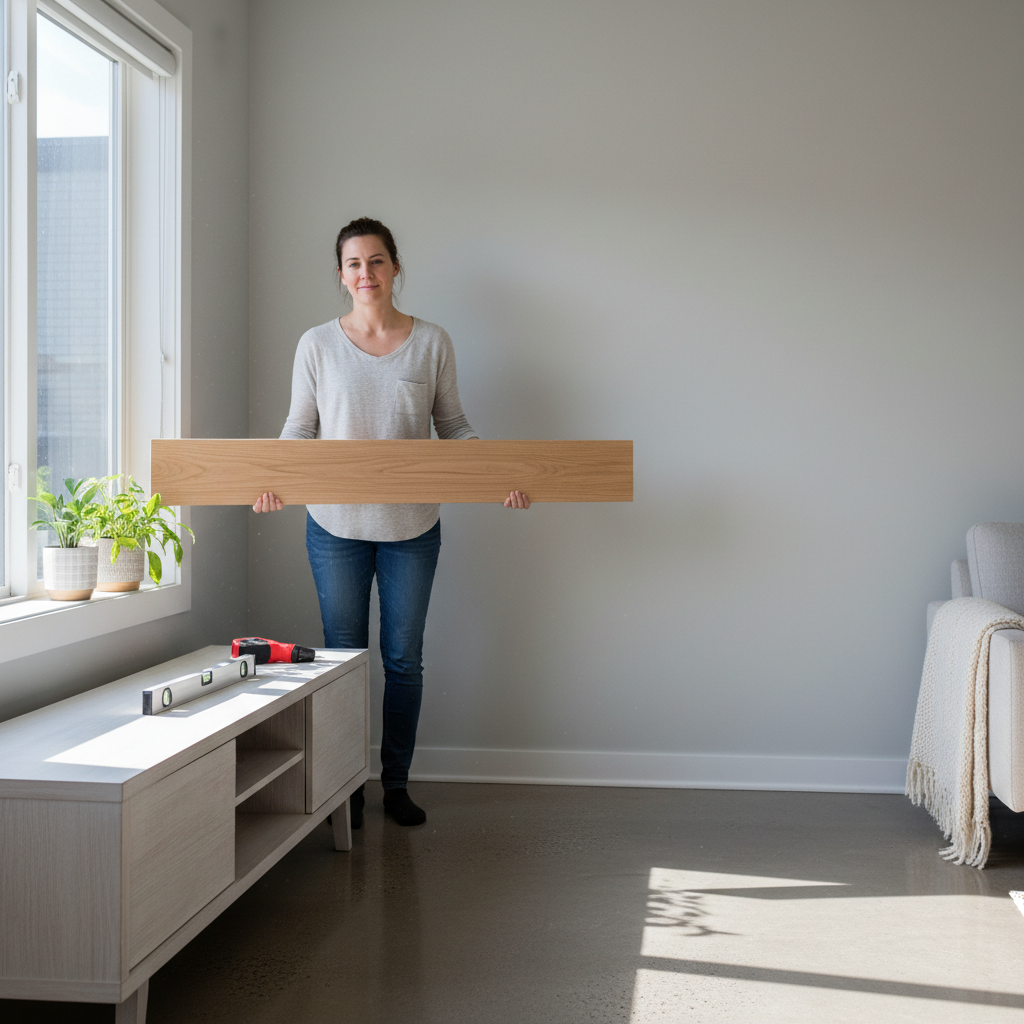
Floating shelves look great but punish beginner mistakes. The wrong style can waste lumber and kill confidence. Here's how to choose one you'll finish.
Corner floating shelves fail when the wall anchoring is wrong. The wrong fastener choice can drop your shelf under 20 lbs. Here's how to get it right.
Deciding between DIY wooden wall art and store-bought? The answer depends on your tools, time, and budget. The wrong choice can cost you more than you expect.
Building an entryway bench with storage takes one weekend and under $150 in lumber. The wrong wood choice or seat height ruins both comfort and function.
Starting woodworking with the wrong project wastes time and kills momentum. The wrong choice can leave you with bad habits that take months to unlearn.
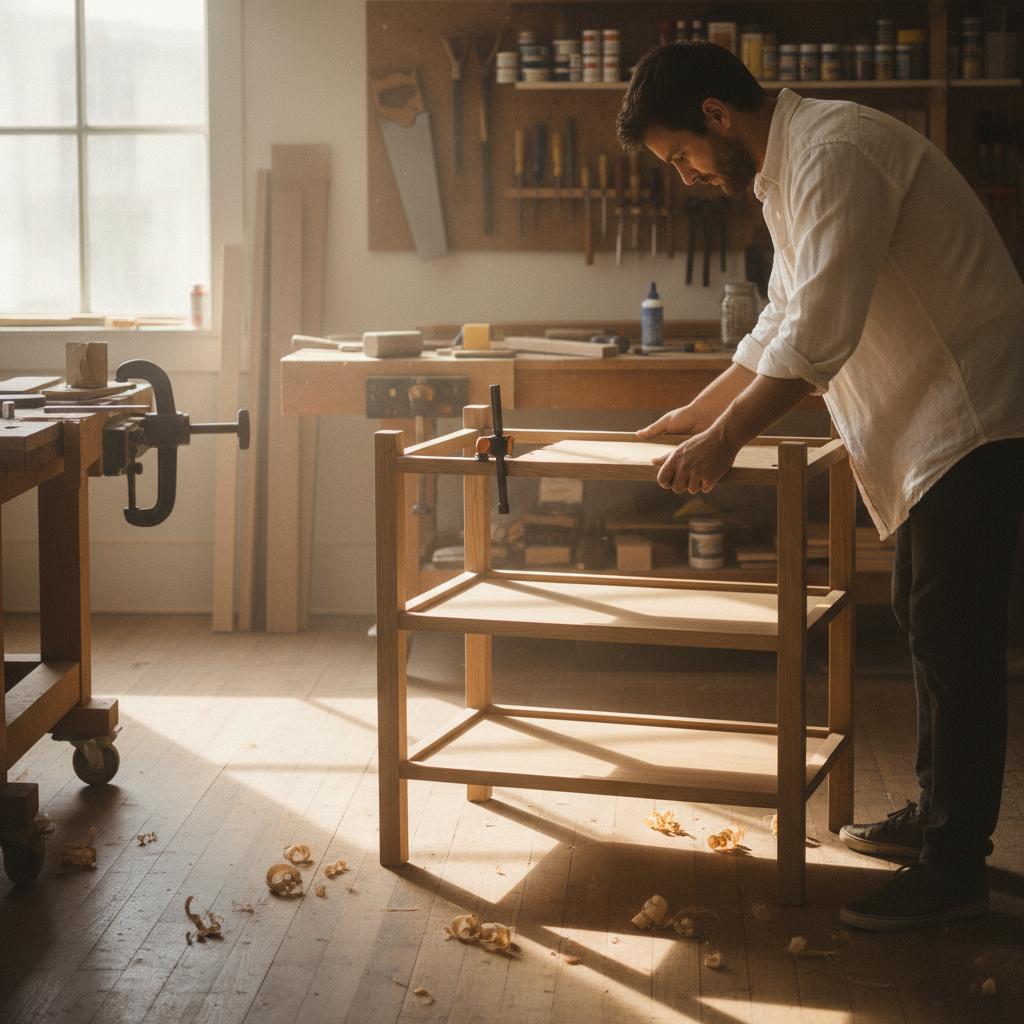
Building a wooden bar cart at home takes basic tools and about a weekend. The wrong wood choice can make it wobbly or warp fast. Here's how to get it right.
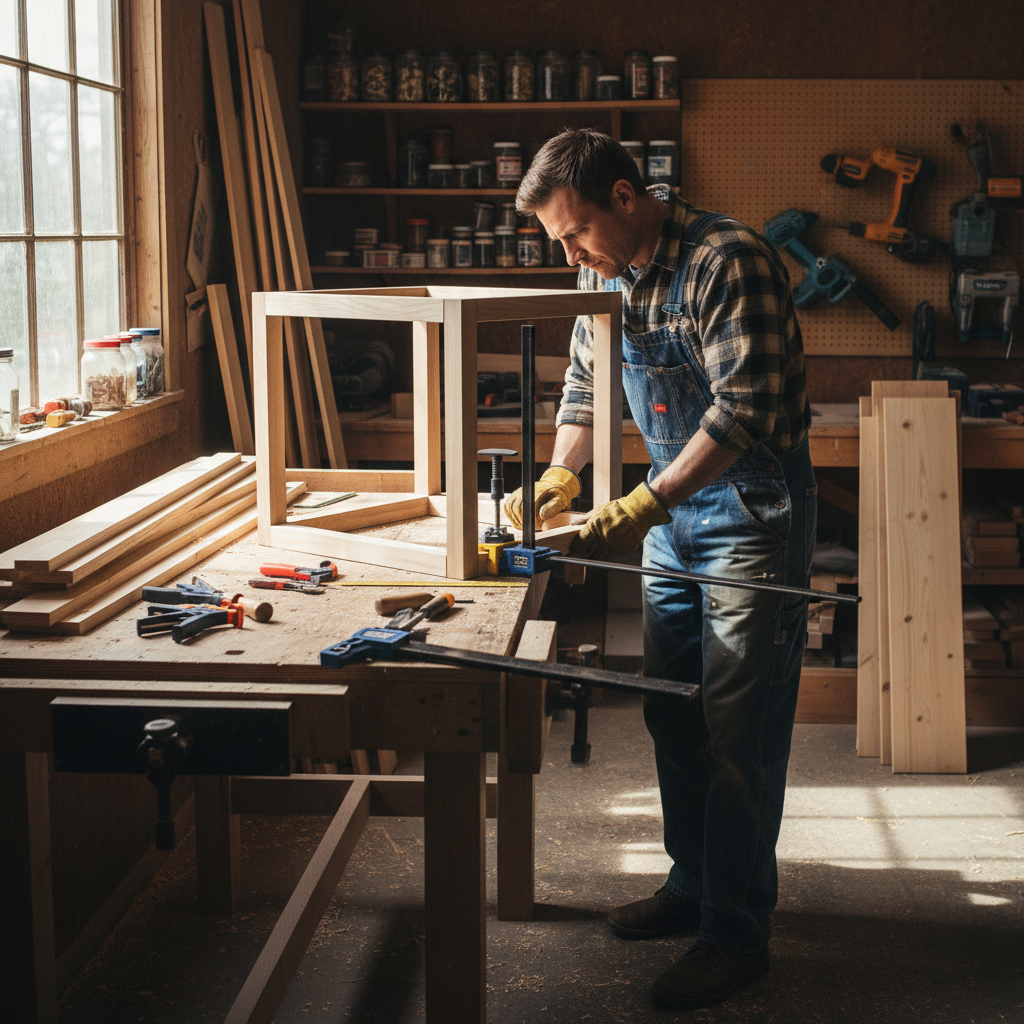
Building your first piece of furniture? The right choice depends on joint count, wood thickness, and finish complexity. Pick wrong and you waste your weekend.
Building a wooden knife block is simpler than it looks, but only if you pick the right wood and slot spacing. Here's how to get it right the first time.
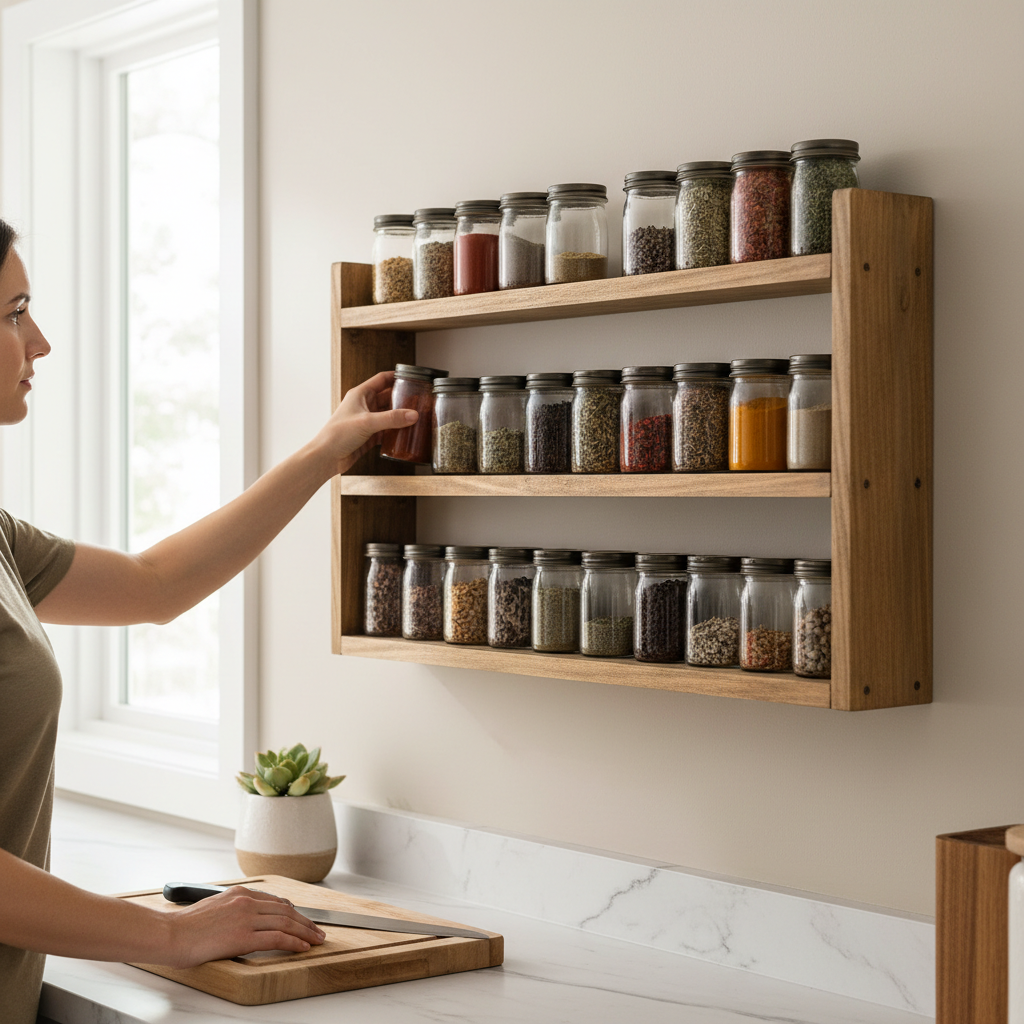
Building a wall-mounted wooden spice rack is straightforward, but only with the right wood thickness and stud placement. Here's how to get both right.
Starting with a face-grain or end-grain cutting board? The right call depends on your tools, budget, and patience. Here's how to choose before you buy lumber.
Building a cutting board costs $30 - $80 in materials. Buying a quality one runs $60 - $200. Which wins? It depends on your tools, time, and wood species.