Woodworkers will tell you to match the project to your current skill level before you pick up a single board, and there's a reason for that. Jumping ahead means a half-finished cutting board sitting on your bench two days before Christmas, which is a pain nobody needs. Quick gift woodworking projects for beginners live or die on that match: the right joint complexity, the right wood species, the right finishing time.
Three variables actually decide whether you finish in a few hours or a frustrated afternoon: how your workspace is set up, whether you own a sander or plan to hand-finish, and how forgiving the wood grain is on a tight timeline. Pine and poplar, for instance, cut fast but dent easily, which matters when you're handing something to a person who'll use it daily. That tension between speed and durability is what most beginner project lists skip entirely.
This guide covers five projects a beginner can realistically complete in two to four hours each, with honest notes on which ones to skip if you don't own specific tools. It is not a list of every possible wood gift, and it won't help you if you're looking for furniture-scale builds or projects requiring a lathe.
Why Project Selection Matters More Than Skill
The most common mistake beginners make is choosing a project based on how impressive it looks in a photo, not on how many operations it actually requires. A serving board with a routed edge looks simple. It involves ripping to width, end-grain sanding through at least three grits, routing a profile, and applying food-safe finish with adequate dry time. That's a full day for someone who hasn't done it before.
Or rather: it's not just the step count that bites you. Each operation compounds error. A board that's slightly out of square going into the router creates a wavy profile that's nearly impossible to fix without removing significant material. Beginners who haven't developed a feel for grain direction can tear out chunks on the final sanding pass, and at that point the gift is gone.
The projects below are filtered by a practical rule: every step must be recoverable. If you make a mistake, you should be able to sand it out, flip the board, or start a fresh piece without losing more than 20 minutes. That filter removes about half the "beginner" projects you'll find on popular woodworking sites, which tend to list anything that doesn't require a table saw as beginner-appropriate regardless of finishing complexity.
I'd start with the wooden spoon rest or the plant shelf before anything else, because both are genuinely forgiving on grain and dimension tolerance.
Five Projects That Actually Work on a Weekend Timeline
These five projects share three qualities: low joint complexity, forgiving material choice, and finish options that dry within your build window. Check square, wood thickness, and finish compatibility before you buy materials.
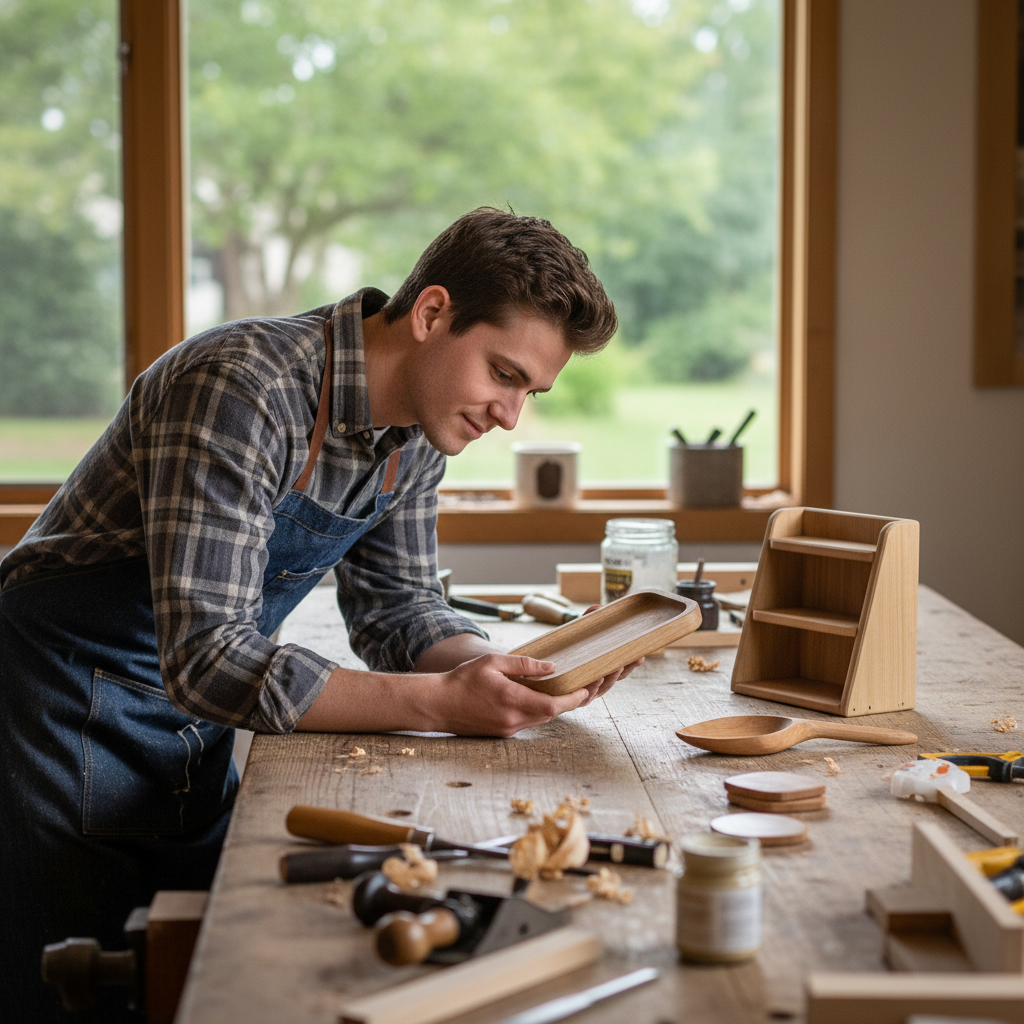
1. Spoon Rest - Cut a rectangle of 3/4-inch hardwood (walnut or maple both work well) to roughly 8 by 3 inches, round the corners with a sander or rasp, sand through 80, 120, and 220 grit, and apply two coats of food-safe mineral oil. Total bench time: under 90 minutes. The only failure mode is sanding below 80 grit and leaving scratches that absorb oil unevenly, which shows up immediately under finish. Sand in order and you're fine.
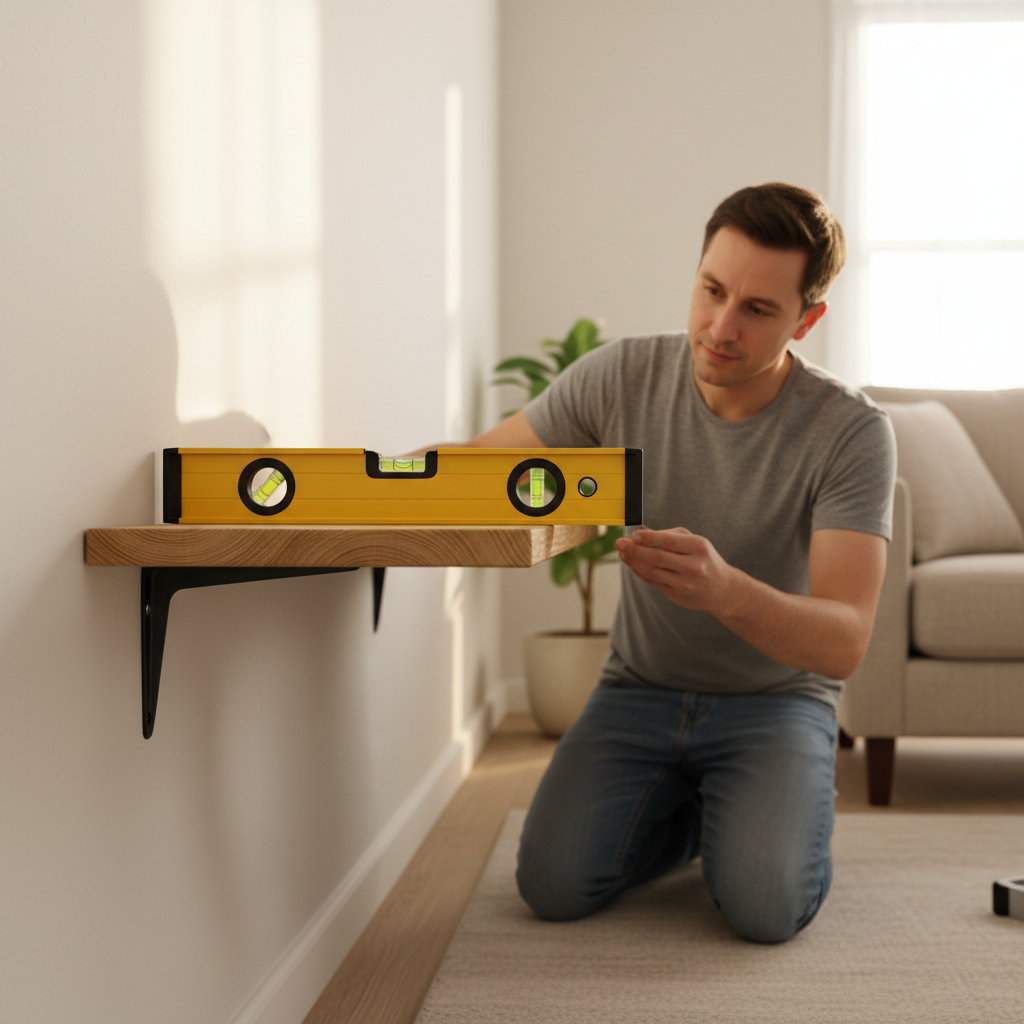
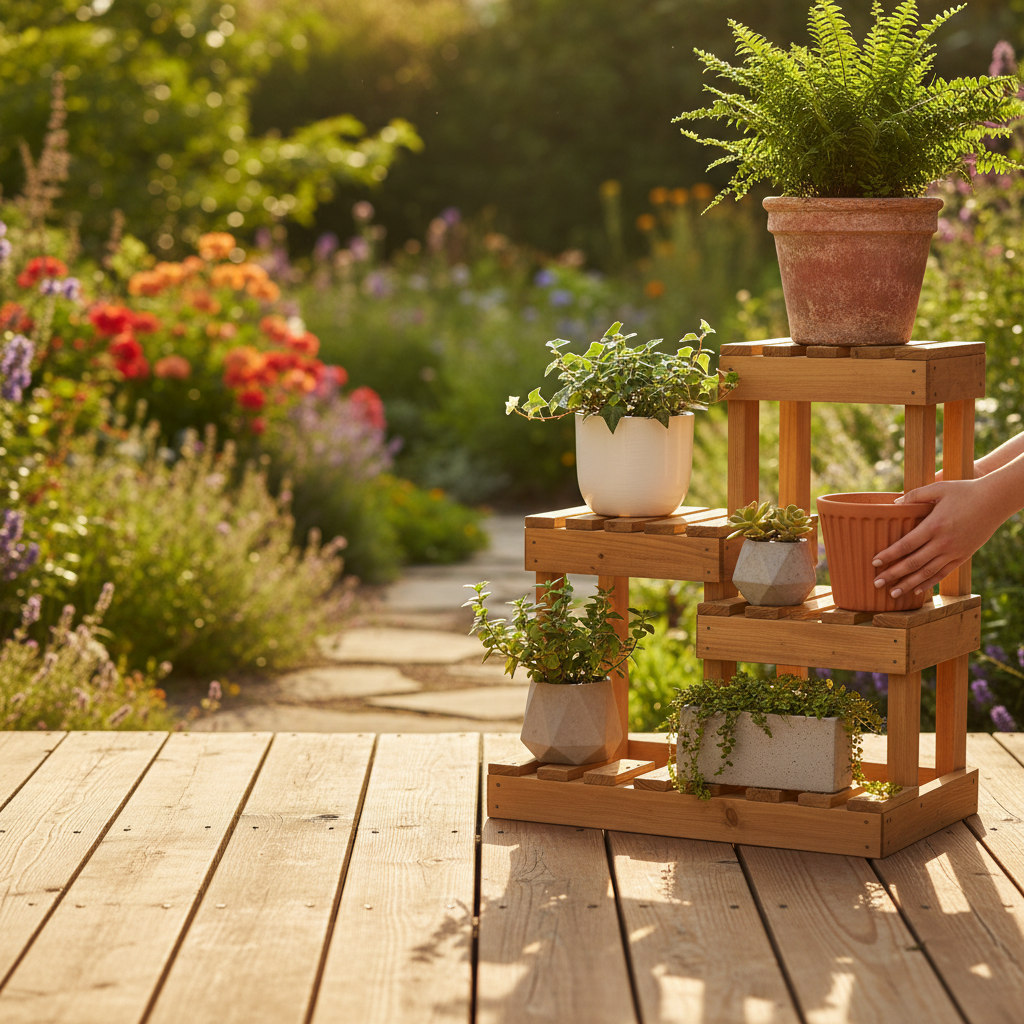
2. Floating Plant Shelf - A simple rectangular shelf from 3/4-inch pine or poplar, cut to 10 by 6 inches, with keyhole or L-bracket mounting hardware. No joints required. Sand, apply two coats of water-based polyurethane, and you're done in about two hours including dry time between coats. The shelf needs to be flat. If your board has a bow, start with a different piece rather than trying to flatten it by hand.
3. Wooden Bookmark - This one surprises people. Cut a strip of 1/8-inch hardwood veneer or a resawn thin board to 1.5 by 6 inches, sand to 320 grit, and finish with a thin coat of danish oil. The result looks professional. It requires a bandsaw or a very steady hand with a jigsaw to resaw, which is the one tool gate here. If you don't own either, pre-dimensioned craft wood from a hobby store works and costs under $5 for a pack of strips.
4. Herb Marker Set - Cut six stakes from 1/4-inch stock at roughly 8 inches long with a pointed bottom cut at 45 degrees. Sand lightly, burn or carve herb names, apply an outdoor-rated finish. A set of six takes about two hours. The 45-degree cuts go fastest on a miter saw, but a handsaw and a miter box get there with a few extra minutes.
5. Small Tray with Handles - This is the most involved project on the list and realistically needs three to four hours. Cut a bottom panel and two side pieces, drill handle holes with a 1-inch Forstner bit before assembly, and glue with clamps. No nails required if the glue joints are square. The Forstner bit is non-negotiable here: a spade bit will blow out the back face of the handle hole and ruin the piece.
But here's the genuine constraint across all five: finish dry time can add 30 to 60 minutes per coat that beginner guides routinely leave out of their project timelines. Budget for it or your gift arrives tacky.
Wood Species and Finish: The Decisions That Trip Beginners Up
Picking the wrong wood species for a beginner project is how you turn a two-hour build into a four-hour frustration. Hardwoods like walnut and maple are more stable and sand more cleanly than pine, but they cost more and require sharper blades. Pine and poplar are cheaper and widely available at any US home center, but pine's soft grain telegraphs every belt sander pass if you're not careful.
A practical heuristic used in most beginner woodworking instruction: for food-contact items like spoon rests and serving pieces, stick to mineral oil or a purpose-made food-safe finish such as a beeswax and oil blend. Polyurethane and lacquer are not food-safe once cured in the way mineral oil is, and the distinction matters if the gift will live near a stove or cutting board. Mineral oil is available at any pharmacy for a few dollars and works immediately with no off-gassing concern.
For decorative items like shelves and herb markers, water-based polyurethane dries fast (roughly 30 minutes to recoat in average US indoor conditions) and cleans up with water. Oil-based polyurethane looks richer but takes two to four hours between coats and requires mineral spirits for cleanup. On a weekend gift timeline, water-based wins unless you're building the day before you plan to give it.
What happens if you skip finish entirely? Unfinished wood absorbs moisture, raises grain, and picks up grime within weeks of use. A spoon rest that looked clean in your shop will look dirty by the third use. Finishing is not optional for functional gifts.
| Project | Recommended Wood | Finish | Approx. Build Time |
|---|---|---|---|
| Spoon Rest | Walnut or Maple | Mineral oil | 90 min |
| Plant Shelf | Pine or Poplar | Water-based poly | 2 hrs |
| Wooden Bookmark | Hardwood veneer | Danish oil | 45 min |
| Herb Marker Set | Any 1/4-inch stock | Outdoor finish | 2 hrs |
| Small Tray | Poplar or Maple | Water-based poly | 3-4 hrs |
The tray is the only project where build time genuinely varies with skill. Every other estimate above assumes you've made a straight crosscut before. If this is your first time at a miter saw, add 30 minutes to each project for the learning curve on your first cut.
When to Skip a Project (and What to Do Instead)
The small tray is the right call for most beginners with a few sessions of shop time behind them. For someone who has only watched woodworking videos and hasn't made a single cut yet, it's too much. The glue-up alone requires squaring four corners simultaneously while the clock is running on open assembly time, which is genuinely stressful the first time.
That framing misses something. The real question isn't which project is hardest. It's which projects expose you to failure with no recovery path. A tray with a blown-out handle hole goes in the trash. A spoon rest with a slightly off-center shape is still a spoon rest. First-time builders should weight recoverability more than impressiveness every single time.
If you have no power tools at all, the herb marker set and the bookmark drop to pure hand-tool builds with a handsaw, a sanding block, and a rasp. Both still come out looking intentional. The plant shelf requires at minimum a drill for mounting hardware, but the woodworking itself is entirely hand-tool compatible.
The alternative most beginners consider is buying a pre-made blank from a craft store and just finishing it. That's a legitimate choice, and for someone with zero shop time it may genuinely produce a better result than a rushed build. But you lose the made-by-hand quality that makes the gift meaningful. The honest middle ground: buy a pre-cut blank for your first attempt at a new project type, finish it yourself, and build the next one from raw stock once you've calibrated your finishing process.