Finish aisles at Home Depot are genuinely confusing, and the labels on wood stain and wood oil cans don't help much. Both products darken wood, both come in natural tones, and both get applied with a brush or rag. But they do fundamentally different jobs, and picking the wrong one for your first project is a real setback.
Wood stain and wood oil differ in one way that matters above everything else: stain colors wood but leaves protection almost entirely to whatever topcoat you apply afterward, while oil penetrates the fibers and feeds the wood itself, providing moderate protection as part of the same step. That distinction shapes every decision that follows.
The catch is that neither product is the right answer in every situation. The variables that actually determine the better choice are the wood species, where the piece will live, and how willing you are to reapply a finish every year or two. Ignore any of those three and you'll get an answer that sounds right but isn't right for you.
What Wood Stain Actually Does (And What It Doesn't)
Stain is a colorant, not a sealer. The pigment or dye in a penetrating wood stain sinks into the grain and tints the fibers. Once it dries, the wood surface is essentially bare again. That's not a flaw in the product; that's the design. Stain's job is appearance, and it does that job well.
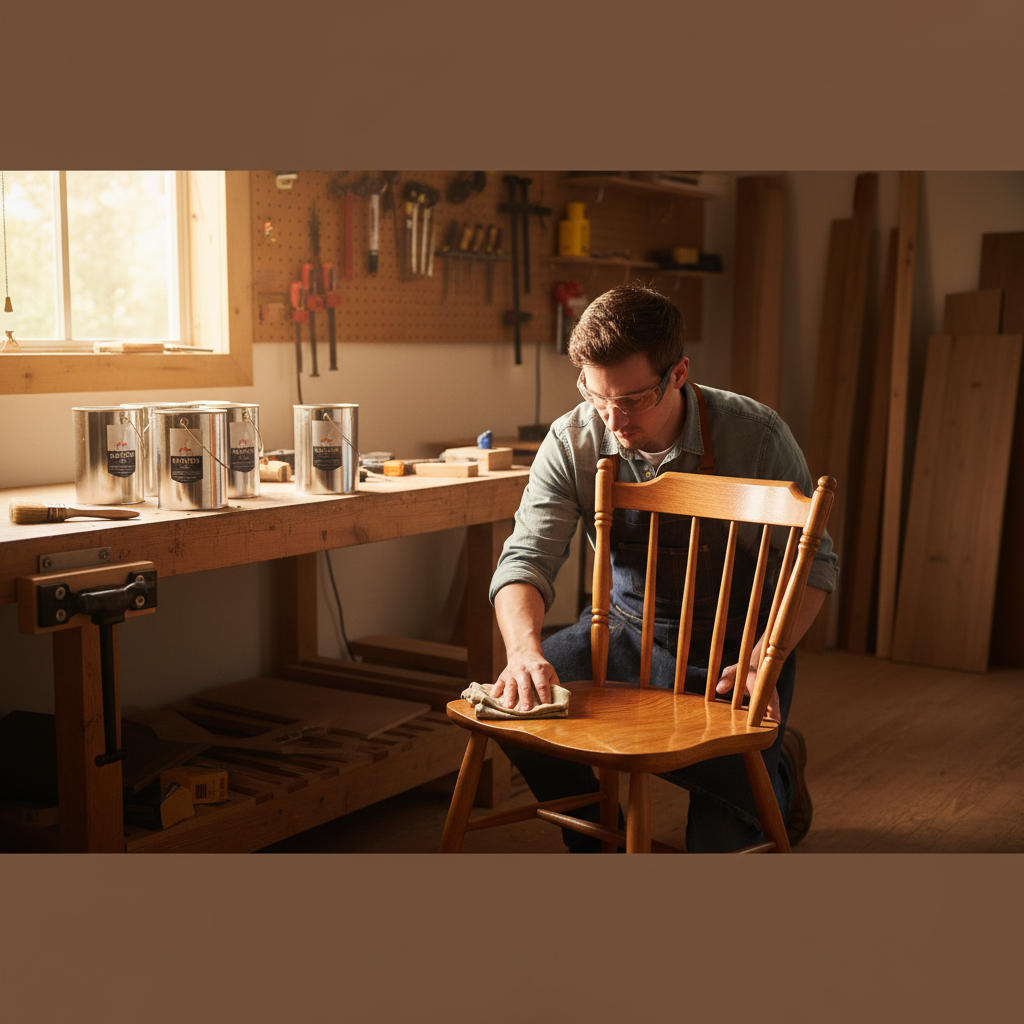
What follows stain is the part beginners often skip: a separate protective topcoat, typically polyurethane, lacquer, or a water-based varnish. That layer is what actually resists water, abrasion, and UV damage. Without it, a stained surface will gray out, absorb moisture, and show wear quickly. Stain alone on an outdoor picnic table, for example, will look rough within a single season.
Or rather: it won't just look rough. It will raise the grain, trap dirt, and make recoating harder than if you'd started fresh. The two-step requirement isn't a minor inconvenience; it doubles your material cost and application time on a first project.
That said, stain gives you something oil generally can't: dramatic color depth. If you want a rich mahogany tone on pine, or a dark espresso finish on poplar, stain is the tool. Oil modifies color, but within a narrower range tied to the wood's natural tones. For a beginner who wants a specific color outcome, stain plus a topcoat is the only path.
How Wood Oil Works and Why Beginners Underestimate It
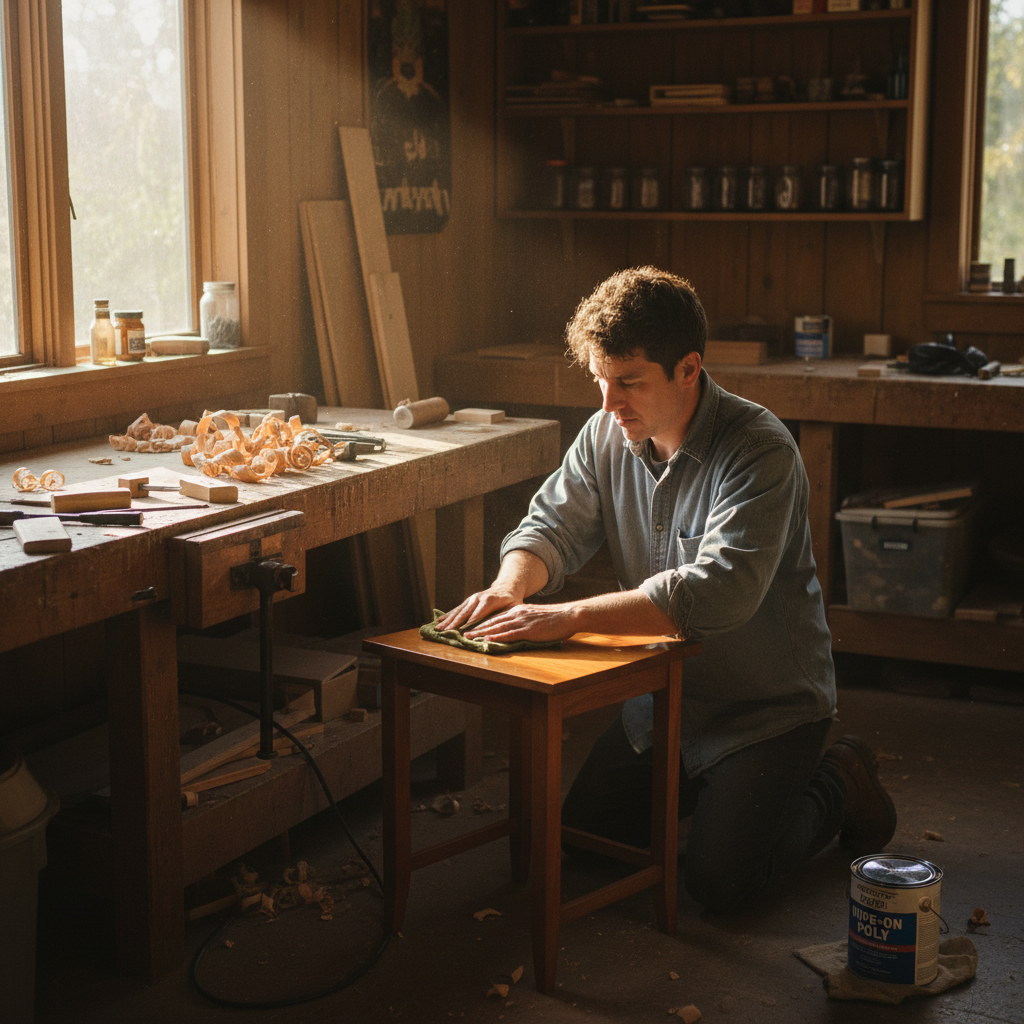
Wood oil, sold under names like Danish oil, teak oil, linseed oil finish, or tung oil, soaks into the cellular structure of the wood rather than sitting on top of it. The result is a finish that doesn't crack, peel, or flake because there's no surface film to fail. When it wears, it wears evenly and can be refreshed with a single wiped-on coat.
That maintenance story is where beginners consistently underestimate oil. A film finish like polyurethane over stain is more durable for the first few years, but when it eventually fails, which it will, you're sanding back to bare wood before you can recoat. An oiled surface that gets a fresh wipe-down of Danish oil once a year stays looking good almost indefinitely with far less labor at each maintenance interval. For someone who built a set of outdoor chairs and wants them to last a decade without a sanding project, that math favors oil.
The common objection is that oil doesn't protect as well. For high-traffic horizontal surfaces like dining table tops or kitchen counters, that's accurate. Penetrating oils don't resist water rings or hot pans the way a hardened film finish does. But for vertical surfaces, decorative items, and most outdoor furniture, the protection oil provides is practically sufficient.
What you'll notice when you compare the two side by side is that oil-finished wood has a more natural, tactile quality. There's no plastic-like sheen. That's a matter of taste, but it's worth knowing before you commit to a product.
Beginner Decision: A Comparison of What Each Finish Demands
The table below covers the five criteria that matter most for a first-time finisher. Neither option wins every row, which is the honest answer to a question most guides treat as settled.
| Criteria | Wood Stain + Topcoat | Wood Oil |
|---|---|---|
| Application difficulty | Moderate (two separate steps, lap-mark risk) | Low (wipe on, wipe off excess) |
| Color control | High (wide range, consistent tone) | Low-moderate (enhances natural color only) |
| Surface protection | High (with polyurethane topcoat) | Moderate (no surface film) |
| Maintenance over time | Difficult (full strip required when film fails) | Easy (wipe-on refresh, no sanding) |
| Drying/cure time | Longer (stain plus topcoat cure separately) | Shorter (most oils ready for light use in 24 hours) |
The pattern here is clear: oil wins on ease and long-term maintenance, stain wins on color range and peak protection. For a beginner finishing an indoor piece where color matters, stain plus a water-based polyurethane is a reasonable choice if you're willing to apply two coats of product. For most first outdoor projects, oil is the more forgiving path.
I'd start with Danish oil on a first project if the goal is learning the process without ruining the piece. The wipe-on, wipe-off application method is hard to mess up, and a mistake is easy to correct before the oil fully cures.
When the Oil Recommendation Breaks Down
Oil is not the right answer for every beginner situation. Three conditions genuinely shift the recommendation toward stain with a topcoat.
First, if you're finishing a dining table top or any horizontal indoor surface that will see daily use, oil won't hold up. Water rings from glasses, spills, and the friction of plates will dull an oiled surface faster than a film finish would. The protection gap is real on high-contact horizontal wood. A water-based polyurethane over a light stain, or even over bare wood, will serve that surface better for the first few years.
Second, if a specific color match is non-negotiable, such as matching existing furniture or a flooring tone, oil can't reliably deliver it. The color range of penetrating oils is narrow and wood-species-dependent. Stain gives you predictable, repeatable color that doesn't shift significantly based on grain variation.
Third, some wood species don't absorb oil well. Dense tropical hardwoods like teak or ipe, which show up often in outdoor furniture sold at US retailers, have natural oils that resist additional penetrating finishes. On those species, a purpose-formulated product like Cabot's Australian Timber Oil or a teak-specific oil is more effective than a general Danish oil. General-purpose oil on a dense hardwood can take days to cure and may stay tacky on the surface. If you're working with a species you don't recognize, test on a hidden area first.
What Happens If You Skip the Finish Entirely
Bare wood left untreated outdoors will gray within one season from UV exposure and will begin to check, meaning small surface cracks will form as the wood expands and contracts through moisture cycles. That's not just cosmetic. Checked wood holds water in those cracks longer, which accelerates rot in species that aren't naturally rot-resistant. An unfinished pine outdoor bench may look rough in year one and structurally compromised by year three.
Indoors, untreated wood is more stable but still absorbs oils, water, and staining agents from everyday contact. A bare wood kitchen shelf accumulates grime in the grain that becomes nearly impossible to clean without sanding. The finish isn't decorative. It's what makes the wood usable.
But missing the protection window is only part of the cost. If you wait until wood shows visible weathering before applying a finish, the gray surface layer has to be sanded off entirely before any finish will bond correctly. That turns a 30-minute oiling job into a multi-hour prep project. Apply the finish before the wood goes gray, not after.