Woodworkers will tell you to sort your wall storage before you buy your second tool, and there's a reason for that. Once your bench fills up, you stop working efficiently and start working around your stuff. The two systems that dominate beginner workshops in the US are pegboard and French cleat walls, and they're not interchangeable.
Choosing between them hinges on three things most guides treat as afterthoughts: the size of your wall, how many tools you own right now versus how many you expect to own in a year, and whether you're willing to build your own accessories or pay for them. Get those three wrong and you'll be pulling hardware out of drywall six months from now.
This article doesn't cover full garage makeovers, dedicated shelving systems, or rental workshops where you can't mount anything. It's written for the beginner who owns a wall and wants a tool storage system that won't fight them as their shop grows.
Here's the tension that neither camp fully admits: the system that's cheaper and faster to install is also the one that punishes you most when your tool collection doubles.
What Each System Actually Does
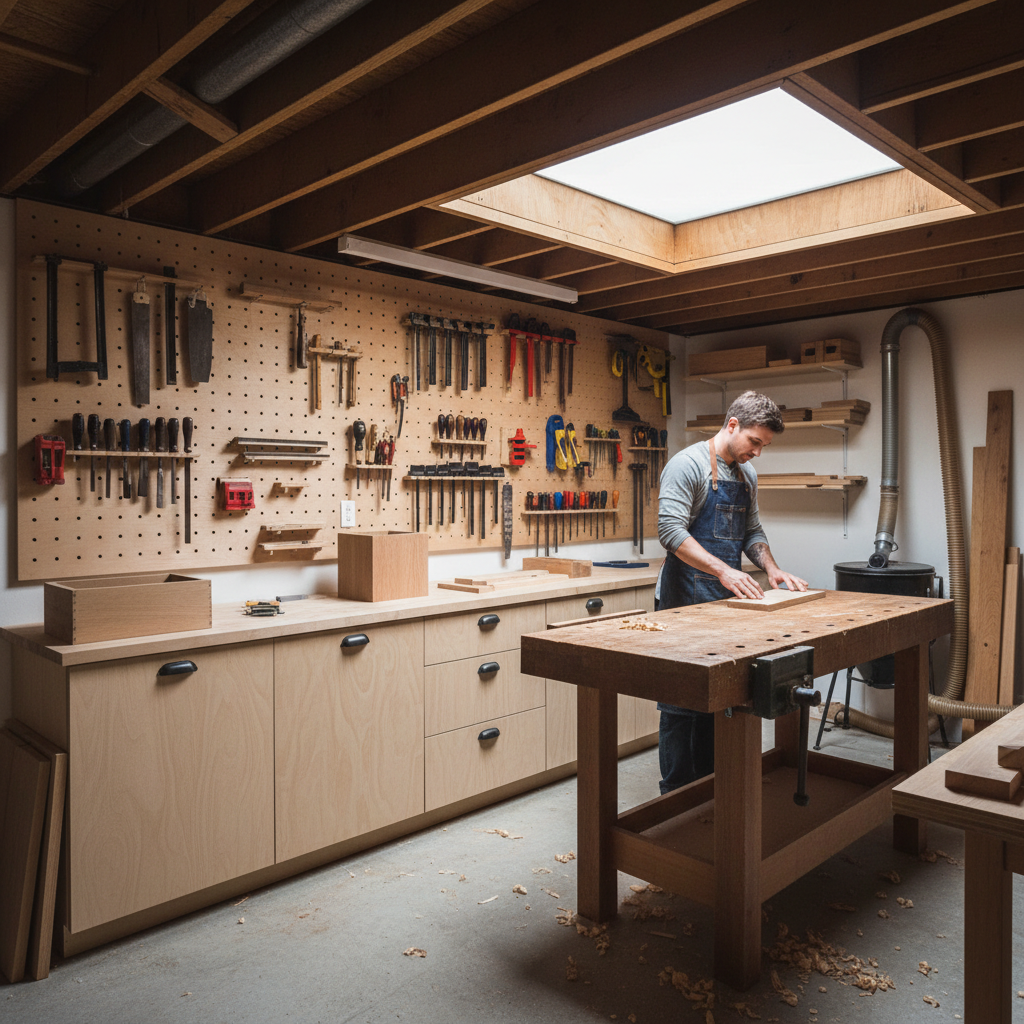
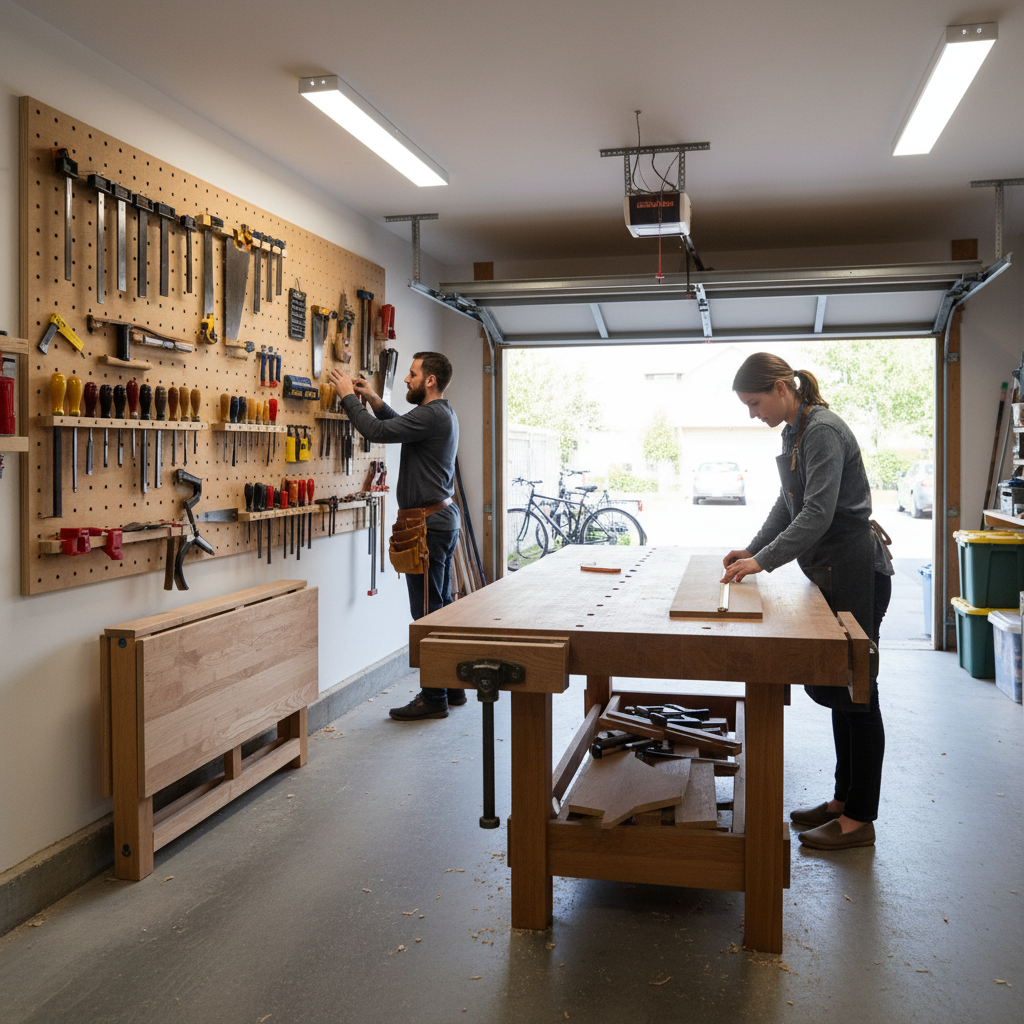
Pegboard is a sheet material, typically hardboard or thin plywood, drilled with a grid of evenly spaced holes. You hang metal or plastic hooks into those holes. It costs roughly $10 to $20 for a 4×8-foot sheet at Home Depot or Lowe's, and the hook sets run another $15 to $30. The whole thing can go up in an afternoon.
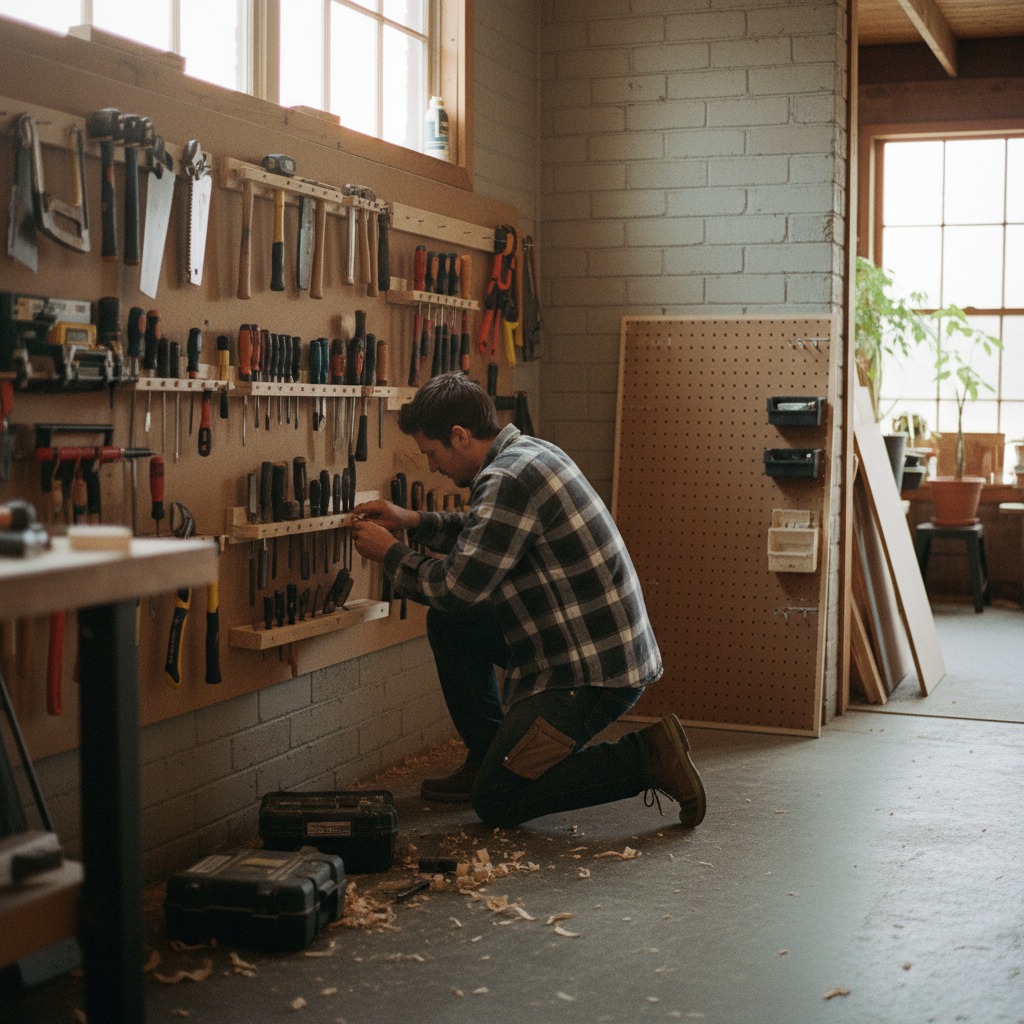
A French cleat wall is a system of interlocking beveled strips, usually cut at 45 degrees, mounted horizontally across a wall. Accessories and holders hang on those strips and can slide or reposition anywhere along them without tools. The material cost is similar to pegboard if you cut your own cleats from plywood, but the build time is longer and the payoff is a system that's genuinely modular at a workshop scale.
Or rather: calling them both "storage systems" understates the difference in how they age with you. Pegboard stores what you have today. A French cleat wall grows with what you'll have in two years. That's the actual decision.
Both mount to studs with screws. Both need a small air gap behind the board so hooks can seat properly. Neither requires special tools beyond a drill and a level. The skill floor is low for both, which is part of why beginners agonize over the choice.
The Real Differences: Cost, Flexibility, and Build Effort
A 32-square-foot pegboard setup (two 4×4 sheets) with a full hook assortment lands somewhere around $50 to $70 in materials. That's fast money and fast installation. The limitation shows up when you add a new tool that needs a holder the standard hook set doesn't include. You're either jury-rigging something or ordering specialty hooks, which can run $5 to $15 each for quality options from manufacturers like Craftsman or Stanley.
A comparable French cleat wall in the same 32 square feet runs $40 to $80 in half-inch or three-quarter-inch plywood for the cleats themselves. The accessories are where the system earns its reputation: you can build custom holders from scrap wood, and they slide, reposition, or swap out in under a minute. No holes drilled, no hooks to lose behind the bench.
Build effort is where beginners hesitate on French cleats. You need a table saw or a circular saw with a reliable fence to cut consistent 45-degree bevels. If you don't own either yet, that's a real barrier. Pegboard needs nothing beyond a drill and a stud finder.
The flexibility comparison isn't even close once you're past the first month. Pegboard locks you into a fixed grid. Move a hook and you're choosing from the same pre-drilled holes you started with. A French cleat wall lets you add a new 18-inch holder for your router, shift your chisel rack three inches left, and drop in a shelf for finishing supplies, all without touching a drill. That matters more than most beginners expect.
- Pegboard startup cost: $50 to $70 for materials and hooks
- French cleat startup cost: $40 to $80 for plywood cleats alone, plus time to build accessories
- Pegboard reconfiguration: requires working within the existing hole grid
- French cleat reconfiguration: slide and reposition without any fasteners
One thing buyers skip until they're burned: pegboard hooks walk. Every time you grab a tool with any lateral force, the hook creeps. Anti-wobble hooks exist and they help, but they add cost and you'll still be resetting positions more than you want.
When Pegboard Wins and When It Doesn't
Pegboard is genuinely the right call in three situations. First, if your workshop wall space is under 16 square feet, the modularity of French cleats doesn't pay off because you won't have room to reconfigure meaningfully. Second, if you're in a rental space or a shared shop where permanent mounting is restricted, pegboard panels can be framed and freestanding. Third, if you own fewer than 20 hand tools and aren't planning to expand, the fixed grid is fine.
The most common mistake I see is beginners choosing pegboard because it's cheaper, then rebuilding the wall within a year. The math only favors pegboard if you account honestly for your tool growth rate. Someone who buys one new tool every six months is fine. Someone building out a full hand-tool kit or adding power tools steadily is not.
Pegboard also has a genuine weight limit that matters. Standard hardboard pegboard handles light to medium tools, chisels, marking gauges, small squares. Hang a heavy hand plane or a router and you'll find out what "rated load per hook" means. Plywood pegboard (usually 5-millimeter or thicker) handles more, but at that price and weight, you're approaching French cleat territory anyway.
Don't use standard 1/8-inch hardboard pegboard for anything heavier than about 10 pounds per hook. That's a practical heuristic based on common workshop guidance, not an engineering standard, but it's the number that comes up repeatedly in woodworking communities and matches what the hook manufacturers suggest informally.
The Beginner Case for French Cleats
The argument for starting with French cleats comes down to one thing: you build the wall once. Every tool you add gets a custom holder made from scrap, and that holder never fights the system. The initial investment in cut time pays dividends for years.
A beginner-friendly French cleat wall doesn't require a full wall of cleats on day one. Start with six to eight strips across a 4×6-foot section, which is enough to hold the core tools you use every session. Add strips as your collection grows. The system doesn't care how many rows you start with.
I'd start with three-quarter-inch plywood for the cleats rather than half-inch. The extra thickness makes the 45-degree bevel more stable under load, and the price difference for a 4×8 sheet is usually under $10. It's not a dramatic savings to go thinner, and the rigidity improvement is real.
The "you need a table saw" concern is real but overblown. A circular saw with a good straightedge guide cuts clean 45-degree bevels. It takes a few practice cuts to dial in, but it's not a precision woodworking operation. You're making storage, not furniture.
What French cleats can't do easily: display small items that need to be visible at a glance, like a set of small drill bits or carving gouges where you want every size visible at once. For those, a pegboard section on one part of the wall makes a reasonable complement. The two systems coexist fine, and plenty of experienced shops use both.
Which System to Build First
If your workshop wall is 32 square feet or larger, you own more than 20 tools now, or you're actively building out a tool collection, build a French cleat wall. The flexibility payoff starts immediately and compounds. Skipping it means a rebuild later, and that later rebuild costs you both money and a Saturday you didn't plan to spend on infrastructure.
If your space is genuinely small, your tool count is low and stable, or you can't cut beveled strips yet, pegboard is a reasonable first step. Build it with plywood pegboard rather than hardboard if you can, use anti-wobble hooks, and leave wall space open for a French cleat section when you're ready.
The framing that trips up beginners is treating this as a permanent decision. It's not. Both systems come down with a screwdriver. The real cost of the wrong choice is two to four hours of a weekend, not a ruined wall. That understates one thing, though: the tool hunt. If you spend the next year working with a storage system that doesn't match how your shop grows, you'll lose more time hunting for misplaced tools than the rebuild would ever take.
Quick criteria to check before you commit: available wall area, current tool count, whether you own or can borrow a saw capable of bevel cuts, and your realistic tool acquisition pace over the next twelve months.
And if you ignore this entirely and keep piling tools on a shelf? You'll spend five minutes finding things that should take thirty seconds, every single session. That adds up fast.
Side-by-Side Comparison
The table below compares the two systems on the criteria that actually change what a beginner should build. Read across each row, not down a single column, because the right call depends on where your situation lands.
| Criteria | Pegboard | French Cleat Wall |
|---|---|---|
| Startup material cost | $50 to $70 (sheets + hooks) | $40 to $80 (plywood only, accessories extra) |
| Install time | Half a day | Full day or more |
| Saw required | No | Yes (table saw or circular saw with guide) |
| Reconfiguration ease | Limited by hole grid | Slide and reposition without tools |
| Weight capacity per mount | Lower (especially hardboard) | Higher (3/4-inch plywood strips) |
| Custom accessories | Buy only | Build from scrap |
| Best wall size | Under 16 sq ft | 16 sq ft and above |
| Hook creep issue | Yes (use anti-wobble hooks) | Not applicable |
| Scales with tool growth | Poorly | Well |
No single row decides the answer. But if you count more than three rows where French cleats score better for your situation, that's the system to build.
Making the Final Call
If your wall is 16 square feet or larger and your tool collection is growing, build the French cleat wall. Start with three-quarter-inch plywood, run eight to ten strips across a manageable section, and add rows as your shop grows. You'll never pull it down to start over.
If space is tight or you're not ready for bevel cuts yet, put up plywood pegboard as a first step. But plan the French cleat section now, leave the wall space open, and build it within the year. Pegboard as a permanent solution for an active shop is the choice that costs you the most in aggregate, even if it looks cheaper on day one.
The better question for any beginner isn't which system is best in general. It's which system fits the shop you'll have in twelve months, not the one you have today.